 MemeGIF
 · Kling 3.0 for Directed Scenes, Image Transitions, and Sound
Develop a shot around a visible intention: a character notices something, a product changes position, or a scene reaches a planned ending. Kling 3.0 on MemeGIF offers text and image generation, Standard and Pro choices, and optional generated audio for building that moment.
Video workspace
The wooden elevator opens
28/33View prompt
Five-second continuous frontal shot of closed wooden elevator doors opening slowly to reveal one adult woman standing inside. Keep the camera fixed at eye level and the woman relaxed, facing forward. Preserve a simple, balanced composition with warm wood grain and soft interior light. End with the doors open and the woman still standing.
Introduction
MemeGIF | What Is Kling 3.0?
Kling 3.0 on MemeGIF has text and image routes with Standard and Pro selections in this workspace. The platform is independent of the model developer; generated sound is an optional request setting rather than a supplied recording.
Create from a description or direct between images
A text request gives Kling 3.0 on MemeGIF the scene through words, while an image request begins with a supplied first frame and can include a last frame. These routes support different stages of development. Explore an unbuilt idea with text, or use pictures when the appearance and intended destination are already part of the brief.
The Kling 3.0 controls available
Kling 3.0 on MemeGIF starts with text, Standard, 720p, three seconds, 16:9, and generated audio off. The required prompt allows up to 2500 characters. Only 720p is offered here, with integer durations from three through fifteen seconds. Text mode offers 16:9, 9:16, or 1:1 without files. Image mode needs an opening picture and may take an ending picture, with no separate ratio selector. Choose the tier and audio setting around a specific event.
How to use
How to Direct a Kling 3.0 Clip in MemeGIF
- PromptSTEP 1
Choose the tier and input mode
Select Kling 3.0 on MemeGIF, choose Standard or Pro, and use text or image mode. Prepare a first frame and optional last frame for image-led work.
- ModelKling 3.0720p16:96sPromptSTEP 2
Describe the visible event
Tell Kling 3.0 on MemeGIF what happens, where the camera is, and how the shot should finish. Give the movement a clear purpose and identify the elements that should stay consistent.
- First frameLast frame
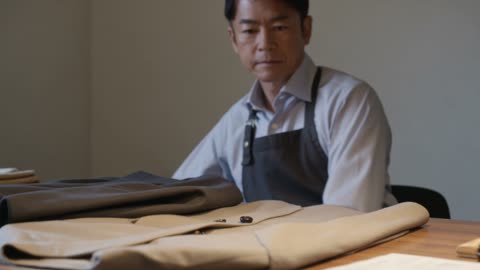 0.0s
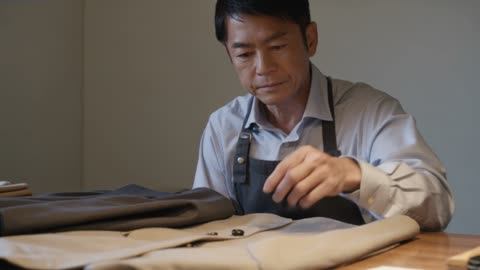 3.0s
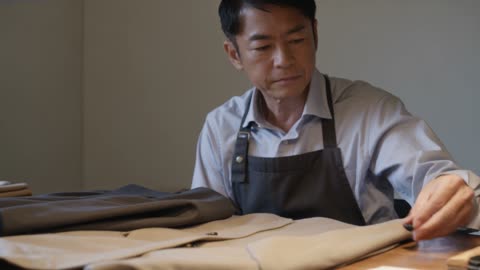 5.4sSTEP 3
Set duration and sound
Choose a Kling 3.0 on MemeGIF duration from 3 to 15 seconds and set generated audio on or off. When enabled, include the intended sound in the brief and review credits.
- Create a six-second continuous shot of an adult tailor at a worktable noticing a loose button. The tailor pauses, looks down, and gently places the button beside the garment. Keep the viewpoint steady and the action readable. Soft workshop light. With audio enabled, include quiet fabric movement and a small button tap. No speech or scene cuts.DownloadSTEP 4
Judge the take as a whole
Play the Kling 3.0 result on MemeGIF from start to finish. Check the transition and any generated audio, then refine one concrete issue rather than rewriting every part of a useful scene.
Features
MemeGIF | Choose a Kling 3.0 Tier Around a Clear Objective
Standard and Pro are distinct service options, not substitutes for a useful brief. Give either Kling 3.0 on MemeGIF selection a specific visual task before evaluating its result.
Keep the comparison about the same scene
When comparing the two choices, preserve the subject, action, duration, and audio setting. Otherwise a more interesting composition can distract from what actually changed. Review each Kling 3.0 candidate on MemeGIF against the assignment: does the movement communicate the right idea, and does the subject remain recognizable? Make the choice from the returned footage and displayed credits rather than an assumed ranking.
Define success for the Kling 3.0 scene
For a clothing scene, the priority might be the drape of a sleeve; for a package reveal, it might be the lid’s movement. Define that objective before choosing a Kling 3.0 on MemeGIF tier. A useful request explains the feature that deserves attention and the elements that should stay stable, giving you something more concrete to assess than general visual polish.
MemeGIF | Set the Pace of a Kling 3.0 Shot
The duration range lets you work on an immediate gesture or a longer reveal. Plan Kling 3.0 on MemeGIF around how the action unfolds, not simply how many seconds are available.
Give short takes one decisive event
For a three-second shot, place the important information near the beginning. A character can glance toward an opening door, or a fabric panel can settle into position. Give Kling 3.0 on MemeGIF one action that resolves clearly. Avoid a long approach before the main event when the audience needs to understand the scene within a compact interval.
Use longer takes for anticipation and completion
A longer clip can build expectation, show the action, and leave a readable ending. Describe the order of those stages and keep them within the same setting. In a Kling 3.0 prompt on MemeGIF, a continuous camera movement can connect them without requiring a complicated chain of locations. Check that the final moment has a purpose instead of trailing into unrelated activity.
MemeGIF | Plan a Kling 3.0 Transition with Visual Endpoints
First and last images can describe where the scene should begin and finish. Use Kling 3.0 on MemeGIF to explore the connecting motion, with a prompt that explains the relationship.
Choose frames with compatible visual information
Match the subject’s identity, major proportions, and surroundings across the two images. A dramatic difference in viewpoint may ask the model to invent large areas that neither picture shows. Prepare Kling 3.0 endpoints on MemeGIF around an understandable transition, such as a display rotating slightly or a lid opening. Explain the change while naming the details that should not be replaced.
Check the movement between the supplied states
Look beyond the opening and final composition. Watch whether handles, clothing, or supporting surfaces behave plausibly throughout the transition. A Kling 3.0 clip on MemeGIF can resemble the intended endpoints yet contain an awkward intermediate change. When that happens, simplify the movement or revise the input pair rather than assuming a stronger stylistic description will fix a structural problem.
MemeGIF | Give Kling 3.0 Audio a Place in the Scene
The audio switch determines whether generated sound belongs in the request. When it is enabled, describe what Kling 3.0 on MemeGIF should make audible and why it belongs to the action.
Link sound to something visible
A latch clicking, shoes crossing a wooden floor, or fabric brushing a chair can reinforce the event. Choose the most important audible detail and keep the rest restrained. Give Kling 3.0 on MemeGIF separate directions for the picture and the sound so they do not contradict each other. A quiet close-up does not need a crowded soundtrack to feel complete.
Keep a spoken line easy to review
Use one clearly identified speaker and a short line when speech is necessary. Allow room for the line to begin and finish naturally, and avoid overlapping voices in an already busy scene. Listen to the Kling 3.0 output on MemeGIF for the actual words, pronunciation, and timing. Generated speech is something to review, not a promise that every line will be delivered exactly. The switch requests generated sound; this page does not accept reference audio or an existing video. Keep any exact narration requirement in your own editing workflow when the returned words or timing do not meet the brief.
MemeGIF | Build a Readable Kling 3.0 Composition
The shot should guide attention even before it moves. Establish a clear relationship between foreground, subject, and background when describing the Kling 3.0 scene on MemeGIF.
Make camera language serve the subject
Explain whether the view stays steady, moves closer, or travels alongside the action. Then describe what the movement should reveal. For Kling 3.0 on MemeGIF, a camera instruction is most useful when it has a visible purpose, such as bringing a clasp into view. Avoid stacking several camera moves on top of a small gesture that already carries the scene.
Review continuity at normal speed
Watch the complete shot before concentrating on attractive individual frames. Check the subject’s scale, the direction of light, and the contact between objects. If a Kling 3.0 candidate on MemeGIF works except for one issue, keep the successful staging and revise that issue alone. This preserves a useful visual idea while giving the next generation a precise improvement to attempt. Sign in with enough credits and inspect the displayed quote before submitting. One to four candidates are independent tasks, not an automatic shot list. Inputs and results are saved to your account through network-dependent cloud processing. Review the actual downloaded dimensions and sound; a request label does not prove native resolution, frame rate, or exact speech.
Example prompts
Text: a deliberate moment of recognition
Create a six-second continuous shot of an adult tailor at a worktable noticing a loose button. The tailor pauses, looks down, and gently places the button beside the garment. Keep the viewpoint steady and the action readable. Soft workshop light. With audio enabled, include quiet fabric movement and a small button tap. No speech or scene cuts.
Image endpoints: a controlled display turn
Use the supplied first and last images as the opening and ending display arrangements. Over eight seconds, move between them with a restrained change of viewpoint while keeping the displayed object grounded and recognizable. Preserve its proportions, finish, and surroundings. Finish on a short steady hold. No new objects, labels, people, or abrupt cuts.
Text with audio: one short invitation
Create a seven-second medium shot of an adult gallery attendant opening a small interior door and gesturing toward the room. The attendant calmly says, "come and take a look." Include a soft door movement and subdued indoor ambience. Keep the camera still, the speech brief, and the lighting consistent. No other speakers, captions, or background music.
Workflow examples
Illustrative ways to plan, generate, and review your work.
MemeGIF workflow examples
Begin with a product photograph and a focused image-editing brief. Compare the draft with the original for shape, labels, and proportions before placing it into a listing. Add approved logos and exact copy in your design application.
Choose a video model and describe one small action, such as a careful object turn. Review the available duration, resolution, and credits. Check the completed take for object continuity and sound before using it in a larger edit.
Give the image workspace a subject, viewpoint, and visual metaphor that supports your article. Preview the result inside the intended layout. Adjust the crop or composition when it competes with the headline or obscures an important detail.
Sign in and use Compress Image when a picture has the right dimensions but a large file size. Compression runs in the browser; input and output images are saved to your account. Compare the result before downloading individual files or a ZIP.
Paste a draft into Humanize AI and select Natural, Friendly, or Professional tone. Review the rewrite for meaning, names, figures, and technical terms. Copy or download the version you have checked; detector scores and publication outcomes are not guaranteed.
Record the palette, viewpoint, lighting, and subject scale in a reusable brief. Supply relevant references where the selected image model supports them. Compare the images together, then revise specific differences instead of assuming automatic campaign-wide consistency.
MemeGIF Pricing and Credit Plans
Cancel anytime
Trending face-swap templates cost 300 Credits per video, including full-length Bad Times and every available format. Other tools keep their own quotes. Existing MV tickets remain usable until their original expiry; new tickets are no longer sold.
Pay once annually; receive 1/12 of your annual Credits each month. The first allocation arrives after payment, then monthly. Tax included. Each allocation expires at the next subscription month or paid-year end.
Lite
50% off0.025 / credit
$14.9/month equivalent · Billed $179· Save $179.8
Annual total: 7,200 credits, issued monthly
Video Models


Image Models


- Includes MiniMax H3 and all premium models
- Up to 1 batch generation task
- Standard generation speed
- Standard generation success rate
- Standard customer support
- Commercial Use License
Standard
50% off0.017 / credit
$24.9/month equivalent · Billed $299· Save $299.8
Annual total: 18,000 credits, issued monthly
Video Models
Image Models
- Includes MiniMax H3 and all premium models
- Up to 4 batch generation tasks
- Priority processing speed
- High generation success rate
- Priority customer support
- Commercial Use License
Pro
50% off0.014 / credit
$49.9/month equivalent · Billed $599· Save $599.8
Annual total: 43,200 credits, issued monthly
Video Models
Image Models
- Includes MiniMax H3 and all premium models
- Up to 10 batch generation tasks
- Fastest generation speed
- High generation success rate
- Dedicated account manager
- Commercial Use License
Max
50% off0.012 / credit
$99.9/month equivalent · Billed $1,199· Save $1,199.8
Annual total: 96,000 credits, issued monthly
Video Models
Image Models
- Includes MiniMax H3 and all premium models
- Up to 10 batch generation tasks
- Fastest generation speed
- High generation success rate
- Dedicated account manager
- Commercial Use License
Pay safely and securely with























FAQ
Frequently asked questions
What are the Kling 3.0 options on MemeGIF?
The Kling 3.0 on MemeGIF workspace offers Standard and Pro choices, text and image modes, a duration setting, and generated audio on or off. Image mode supports a first frame with an optional last frame.
How should I choose a Kling 3.0 tier on MemeGIF?
Start with the assignment and the credits shown for the selected configuration. Compare Kling 3.0 on MemeGIF results using the same brief and inputs when practical. Do not treat a tier label as a guarantee of a particular outcome.
How long can a Kling 3.0 video be on MemeGIF?
Choose from 3 to 15 seconds for Kling 3.0 on MemeGIF in this workspace. Keep short clips focused on an immediate event, and use longer clips when the action needs anticipation, development, and a clear ending.
Can Kling 3.0 use first and last frames on MemeGIF?
Yes. The Kling 3.0 on MemeGIF image workflow supports both an opening image and an optional ending image. Use visually compatible frames and explain their transition; inspect the movement between them as carefully as the endpoints.
Can I turn Kling 3.0 audio off on MemeGIF?
Yes. Kling 3.0 on MemeGIF includes a generated-audio switch in the workspace. Turn it off when sound is not needed for the request, or enable it and describe a soundtrack that supports the scene.
Does Kling 3.0 provide a custom shot editor here?
This page’s Kling 3.0 on MemeGIF workflow uses the visible text, image, duration, tier, and audio controls. It does not promise a separate multi-shot timeline or keyframe editor. Describe the intended camera behavior in the prompt.
Will Kling 3.0 keep a product or person unchanged?
Exact preservation is not guaranteed. Inspect Kling 3.0 on MemeGIF footage for changing features, lettering, clothing, geometry, and contact with the scene. Select a result only after checking the full motion and any generated sound.
CTA
Direct Your Next Scene with Kling 3.0 on MemeGIF
Choose the input, tier, timing, and sound around a clear creative intention. Review the credits, then develop a Kling 3.0 on MemeGIF take that earns its place through the complete result.
Open the Video Workspace