 MemeGIF
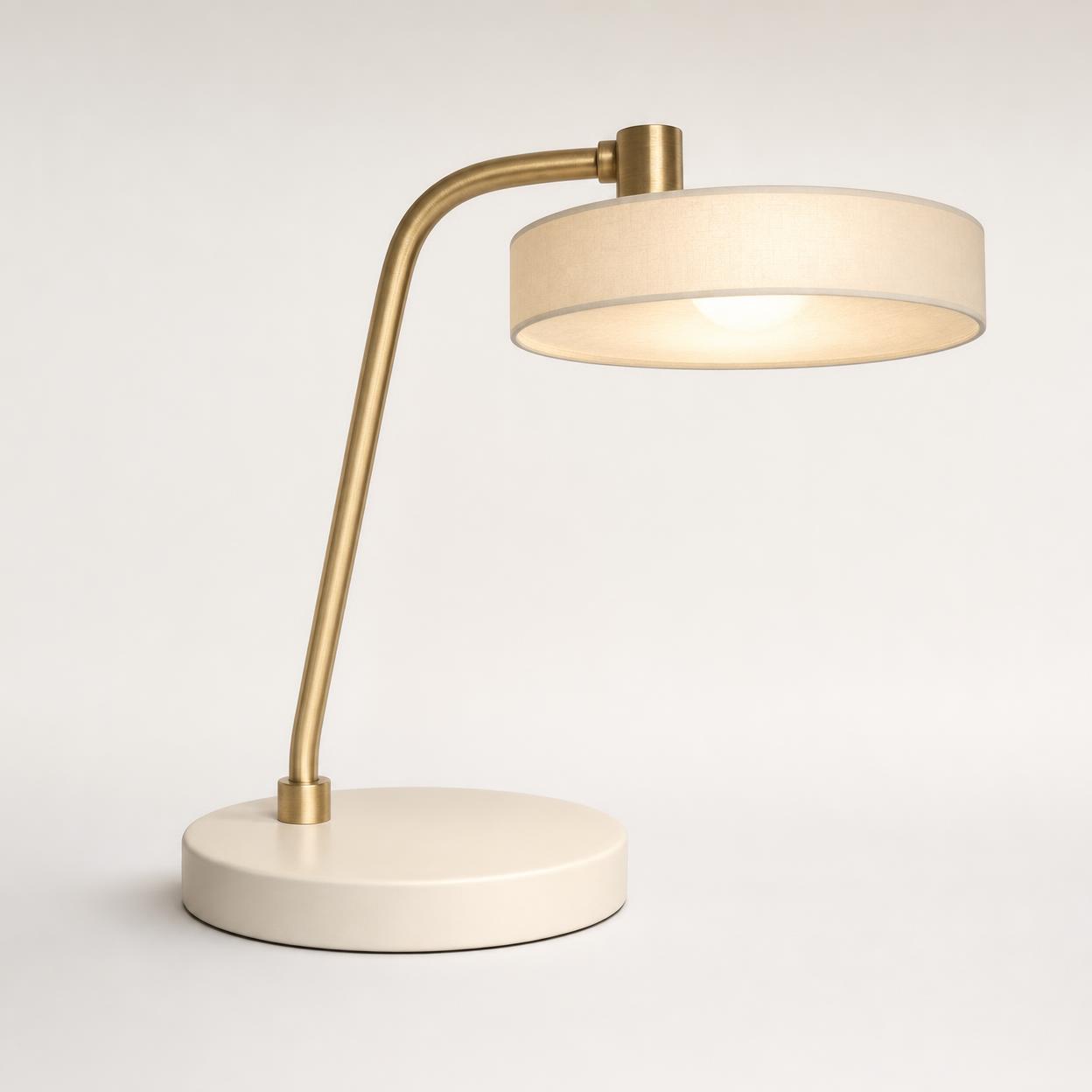
AI sketch to image in MemeGIF for developing a drawing into a visual concept
A sketch can explain a strong idea before it has finished surfaces or lighting. Use AI sketch to image in MemeGIF with GPT Image 2 reference editing, starting at Auto/1K. Upload your drawing, name its important relationships, and explore materials, depth and atmosphere. Compare the proposal with the source before accepting a convincing finish; rendering instructions do not lock geometry.
Image workspace
Sample Image
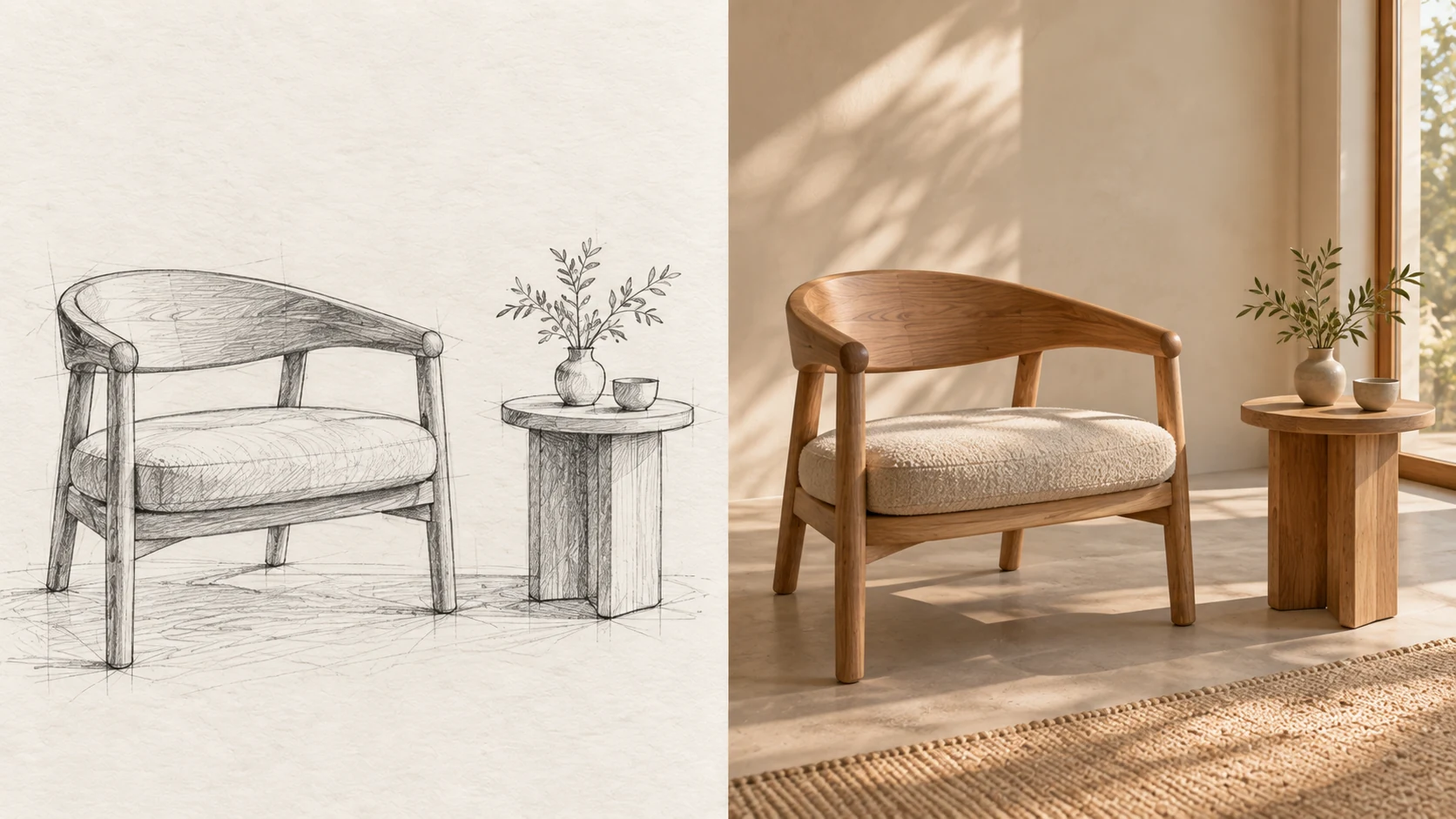 16 / 17
AI-generated sketch-to-render concept, not an MemeGIF test.
Introduction
Start AI sketch to image with a readable drawing
Prepare a readable AI sketch to image reference in MemeGIF before writing an ambitious rendering brief.
Separate the idea from background clutter
Photograph or scan the drawing evenly, with the sheet visible and the camera facing it directly. Remove distracting surrounding objects from the source. AI sketch to image in MemeGIF needs a clear composition, not an accidental view of your desk, shadows, and unrelated notes.
- Check that faint structural lines stay visible in your MemeGIF reference.
- Give AI sketch to image in MemeGIF one clearly framed concept to develop.
Identify the lines that matter
A bold contour may describe the object while lighter strokes explore alternatives. Explain that distinction in the AI sketch to image instructions in MemeGIF. Name the chosen outline instead of leaving the model to decide which of several overlapping possibilities represents your intended design.
Resolve ambiguous marks in words
A small circle could be a knob, opening, joint, or decoration. Tell AI sketch to image in MemeGIF which meaning applies. A short explanation of an uncertain feature is often more useful than adding a long list of general visual-quality adjectives.
How to use
How to use AI sketch to image in MemeGIF
- Input
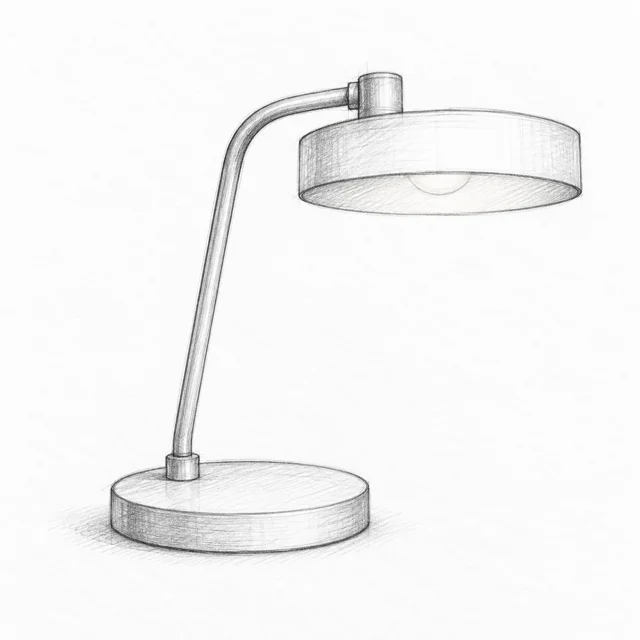 Reference image 1STEP 1
Upload the drawing
Choose GPT Image 2 reference editing for AI sketch to image and upload a clear drawing with its full composition visible.
- ModelGPT Image 21KPromptOutputSTEP 2
Explain the construction
Tell AI sketch to image which contours and object relationships matter, then describe the materials, lighting, and intended visual treatment.
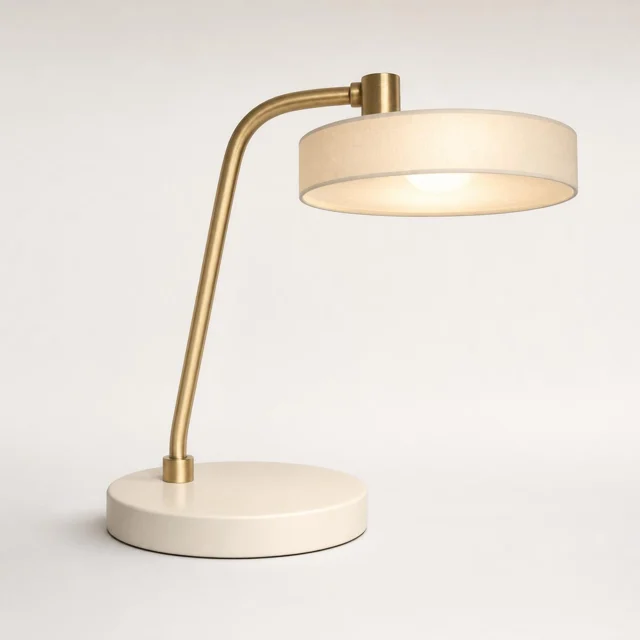 BeforeAfterSTEP 3
Render a candidate
Set 1K and appropriate framing for AI sketch to image, review the displayed credits, and generate a material interpretation of your drawing.
- STEP 4
Compare the geometry
Review AI sketch to image output beside the sketch, checking perspective, positions, and proportions before selecting the most useful concept.
Features
Make AI sketch to image structure explicit
Name the relationships that AI sketch to image should develop in MemeGIF, including important connections and openings.
Describe what connects to what
For a desk lamp sketch, explain that the narrow arm joins the circular base and supports one shallow shade. Give AI sketch to image in MemeGIF those connections explicitly. Check that decorative treatment does not move the joint or create a second unsupported arm.
- Name the main parts and their relative positions in the MemeGIF brief.
- Keep an AI sketch to image review list in MemeGIF for connections worth checking.
State the camera view
An angled drawing may represent a front view with exaggerated depth, or a deliberate three-quarter perspective. Clarify which interpretation you intend. Ask AI sketch to image in MemeGIF to keep that viewpoint while adding volume, then compare the placement of major edges with the source.
Explain empty spaces as carefully as solids
The gap beneath a handle or between two supports may define the design more than surface detail. Name that opening in the AI sketch to image brief in MemeGIF. Inspect whether it stays clear instead of becoming filled with invented material or background texture.
Give AI sketch to image surfaces a coherent treatment
Assign AI sketch to image finishes in MemeGIF to particular parts, then choose one coherent light direction.
Map materials to named parts
Assign matte ceramic to the lamp base, brushed metal to the arm, and translucent paper to the shade. AI sketch to image instructions in MemeGIF become easier to review when each finish belongs to a particular component rather than the entire object being vaguely luxurious.
- Distinguish color from finish in MemeGIF: green paint can be matte or glossy.
- Describe AI sketch to image materials in MemeGIF where their boundaries meet.
Use light to reveal the form
Request soft side lighting when you want to see the volume without harsh shadows. A shallow highlight can describe a curved surface. Let AI sketch to image in MemeGIF explore that treatment while you check whether the light supports the geometry instead of flattening it.
Choose a background that helps comparison
For the first rendering, use a quiet studio surface rather than a busy room. AI sketch to image details from MemeGIF are easier to compare when the setting stays secondary. Add a richer environment later, after the shape and material decisions feel convincing.
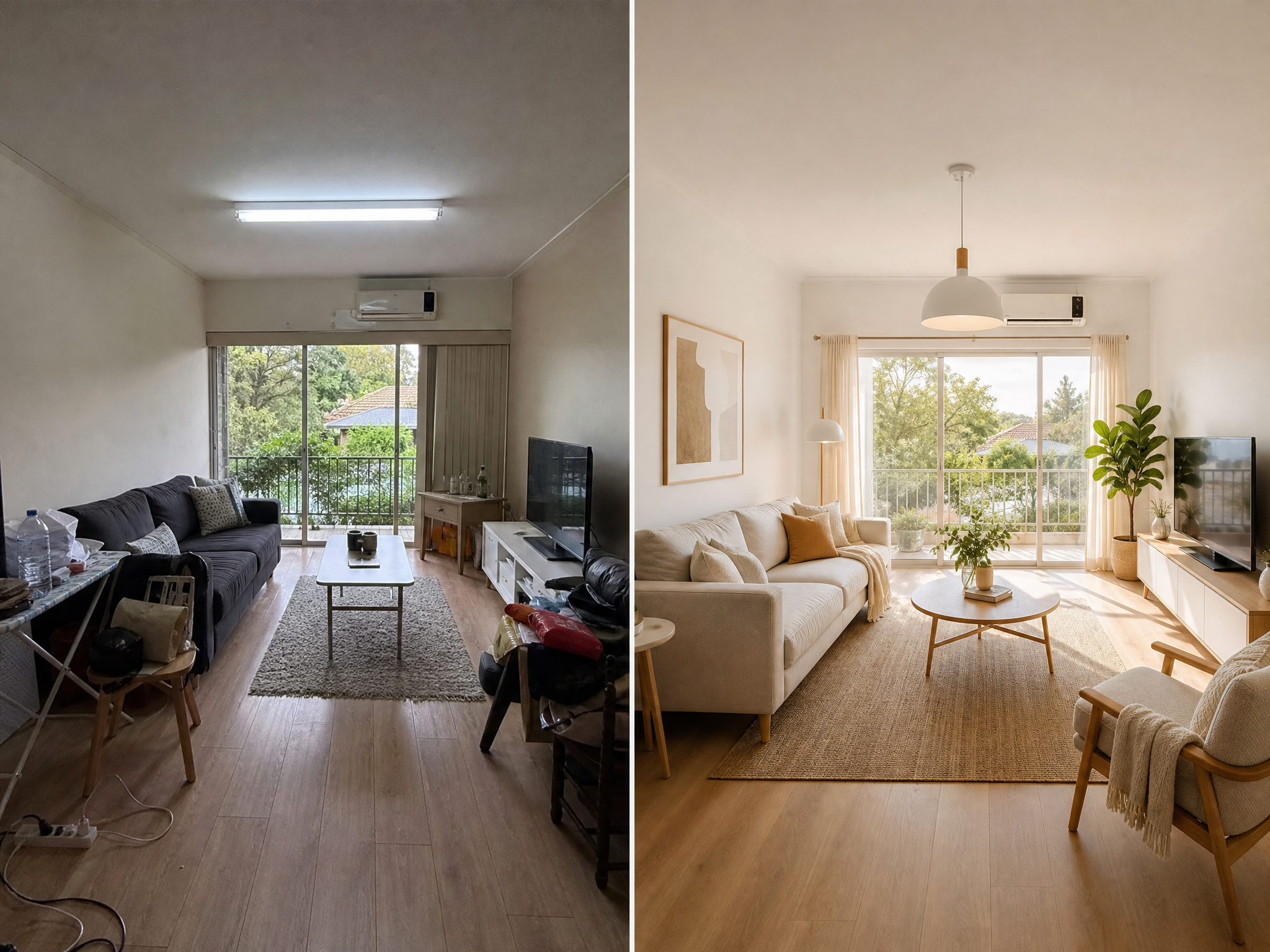
Choose what AI sketch to image should communicate
Give AI sketch to image in MemeGIF a presentation purpose that explains the required detail and atmosphere.
Develop an object concept
A lamp, travel mug, or small storage cart can become a presentation image that explains its overall form. Ask AI sketch to image in MemeGIF for a readable object study. Keep handles, openings, and supports visible rather than hiding unresolved construction behind a dramatic angle.
- Use a simple viewpoint for the first MemeGIF material study.
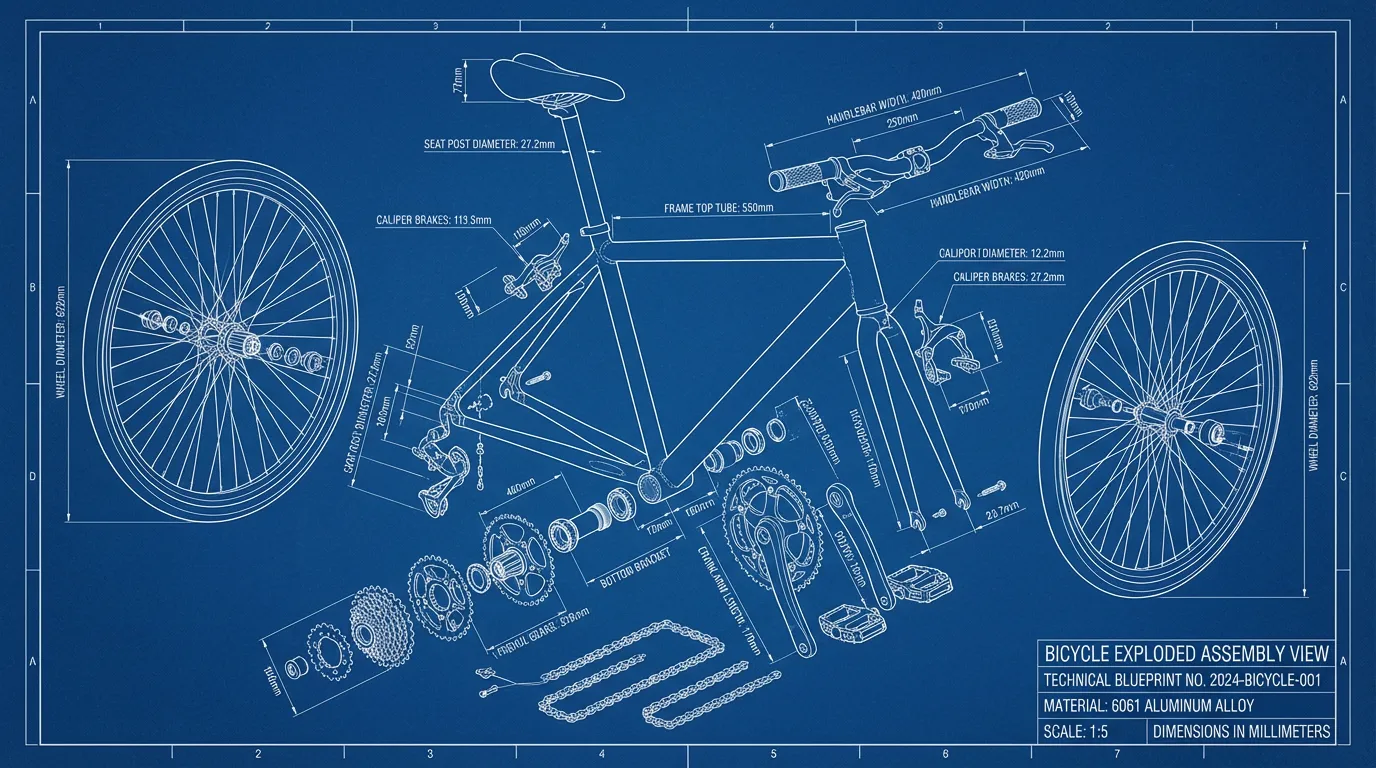
- Treat AI sketch to image results from MemeGIF as visual concepts, without inferring manufacturing dimensions.
Develop a scene composition
A rough cafe drawing can establish a counter, window, and seated figure before any surface is finished. Tell AI sketch to image in MemeGIF which elements lead the scene. Check the major positions before judging upholstery patterns, wall texture, or background decorations.
Develop an illustration direction
A loose landscape sketch may be intended as a painted story illustration rather than a photograph. Say so in the AI sketch to image brief in MemeGIF. Specify line visibility, brush texture, and mood while preserving the large shapes that made the drawing effective.
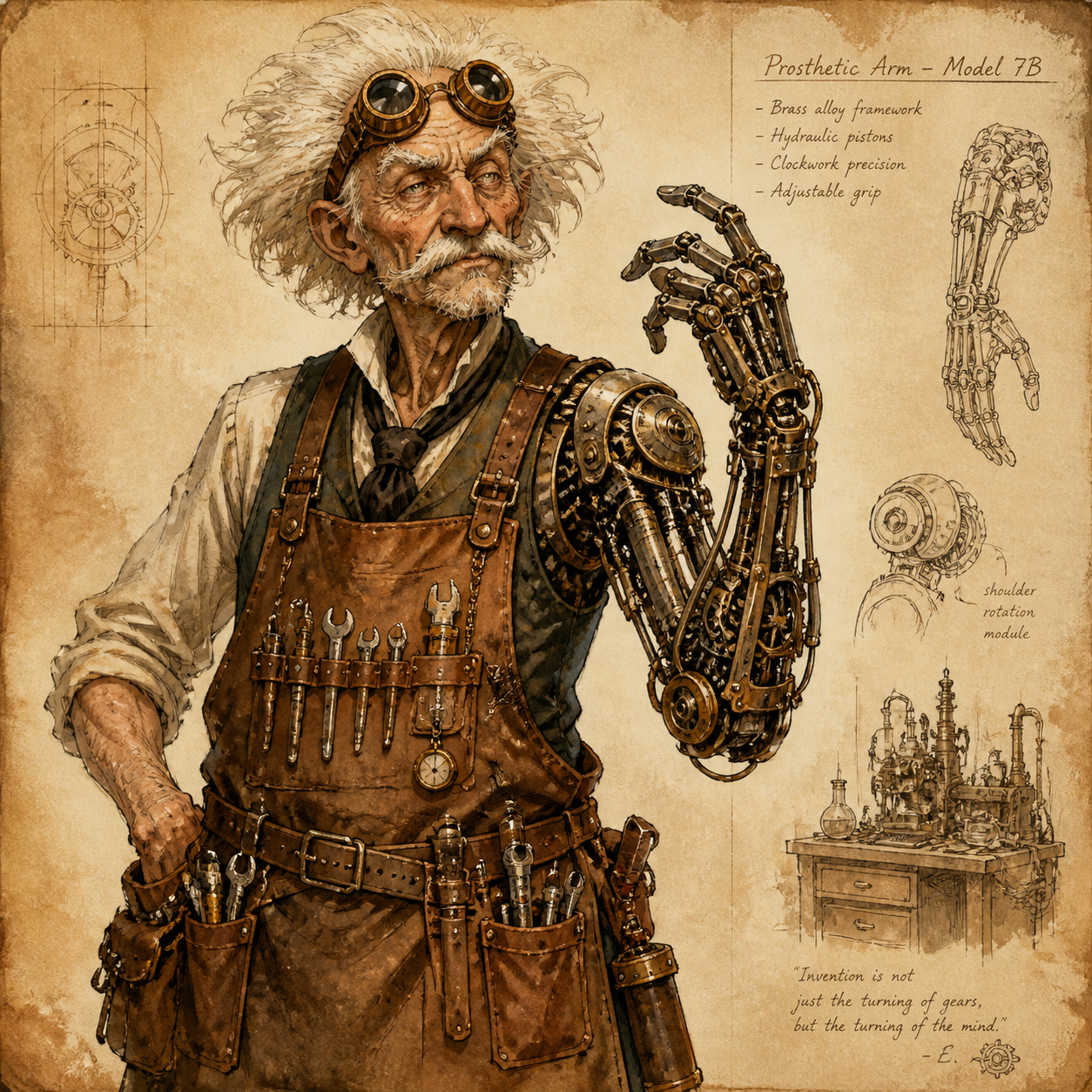
Work through AI sketch to image one decision at a time
Keep the drawing as the primary reference for each focused AI sketch to image revision in MemeGIF.
Upload and write the first instruction
Start with GPT Image 2 image mode at Auto/1K and one output. Upload one to sixteen references and describe the important structure and finish in three to 20,000 characters. Review AI sketch to image settings in MemeGIF, sign in with sufficient credits, and check the quote before cloud processing. Inputs and results are uploaded and saved to your account.
- Name what should stay recognizable in MemeGIF before describing its new appearance.
- Keep the first AI sketch to image request in MemeGIF limited to one treatment.
Add references only for a clear role
Image mode accepts up to sixteen references, but a few purposeful images are easier to explain. Label the sketch as the structure source and another image as a material reference. AI sketch to image in MemeGIF should not have to guess which image controls the composition.
Choose useful comparison settings
Choose supported ratios, 1K, 2K, 4K and one to four outputs, with JPEG/high quality requested. Use AI sketch to image in MemeGIF to compare material or lighting treatments with similar framing. Auto lets the model choose the frame; it does not establish the drawing’s original pixel dimensions. Changing models changes the available controls.
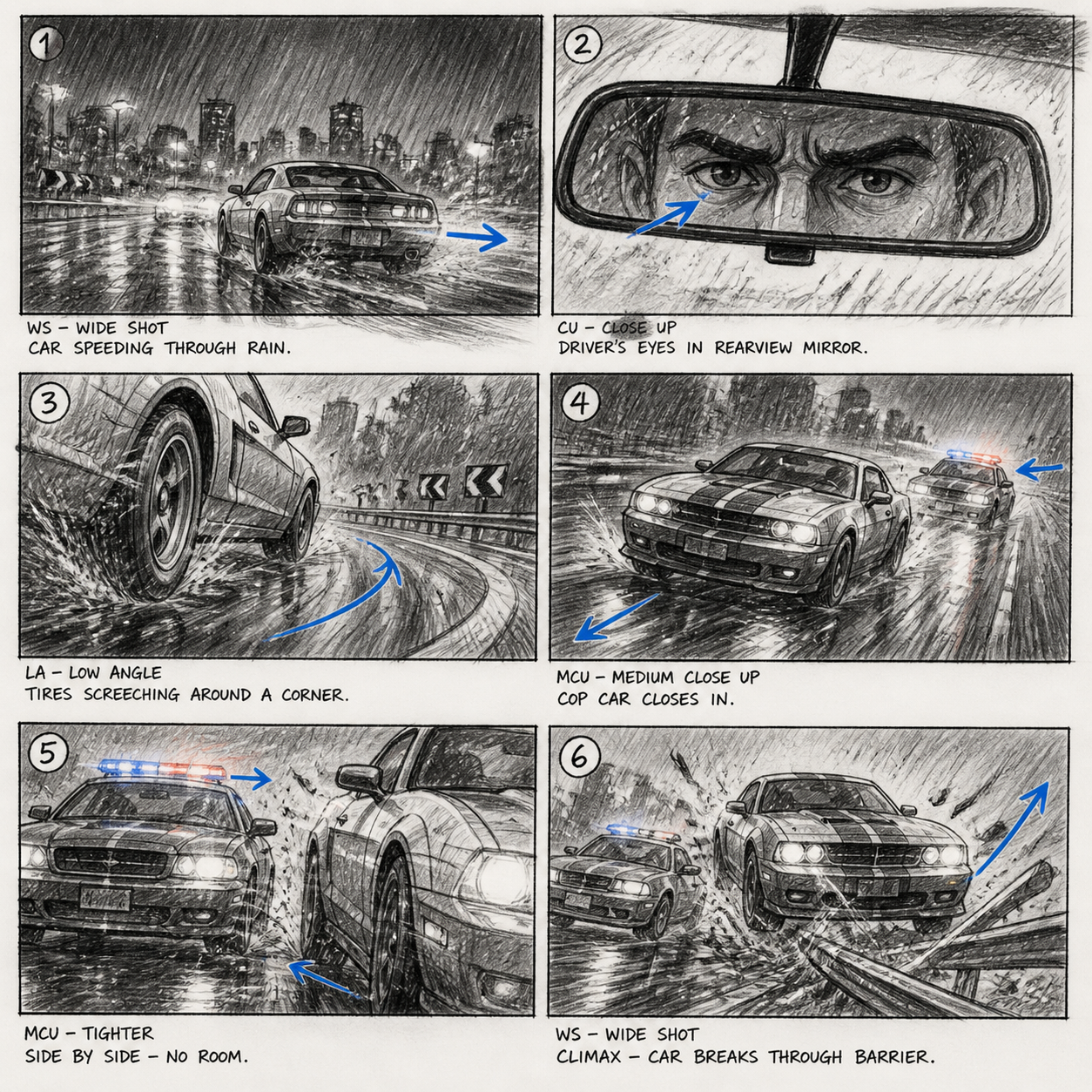
Review AI sketch to image against the original idea
Compare AI sketch to image structure from MemeGIF with the original idea before judging the polish of individual surfaces.
Check a short structural list
Count the main components and inspect their height, spacing, connections, and openings against the source. AI sketch to image in MemeGIF does not lock every pixel or proportion. Revise a changed silhouette before spending another round improving a minor reflection or background detail.
- Keep the original drawing visible beside the MemeGIF candidate during review.
- Reject AI sketch to image polish from MemeGIF that conceals a structural mismatch.
Revise the most consequential difference
Instead of asking for greater accuracy generally, name the issue: the base became too tall, or the window moved behind the counter. Give AI sketch to image in MemeGIF that targeted correction. Keep the useful materials and light while revisiting the disputed relationship.
Carry the decisions into the next stage
Save the original sketch, selected JPEG, and notes about accepted changes. AI sketch to image in MemeGIF can help explain a visual direction to collaborators. Exact dimensions, technical drawings, and construction decisions still belong in the appropriate design workflow, not inferred from the rendering.
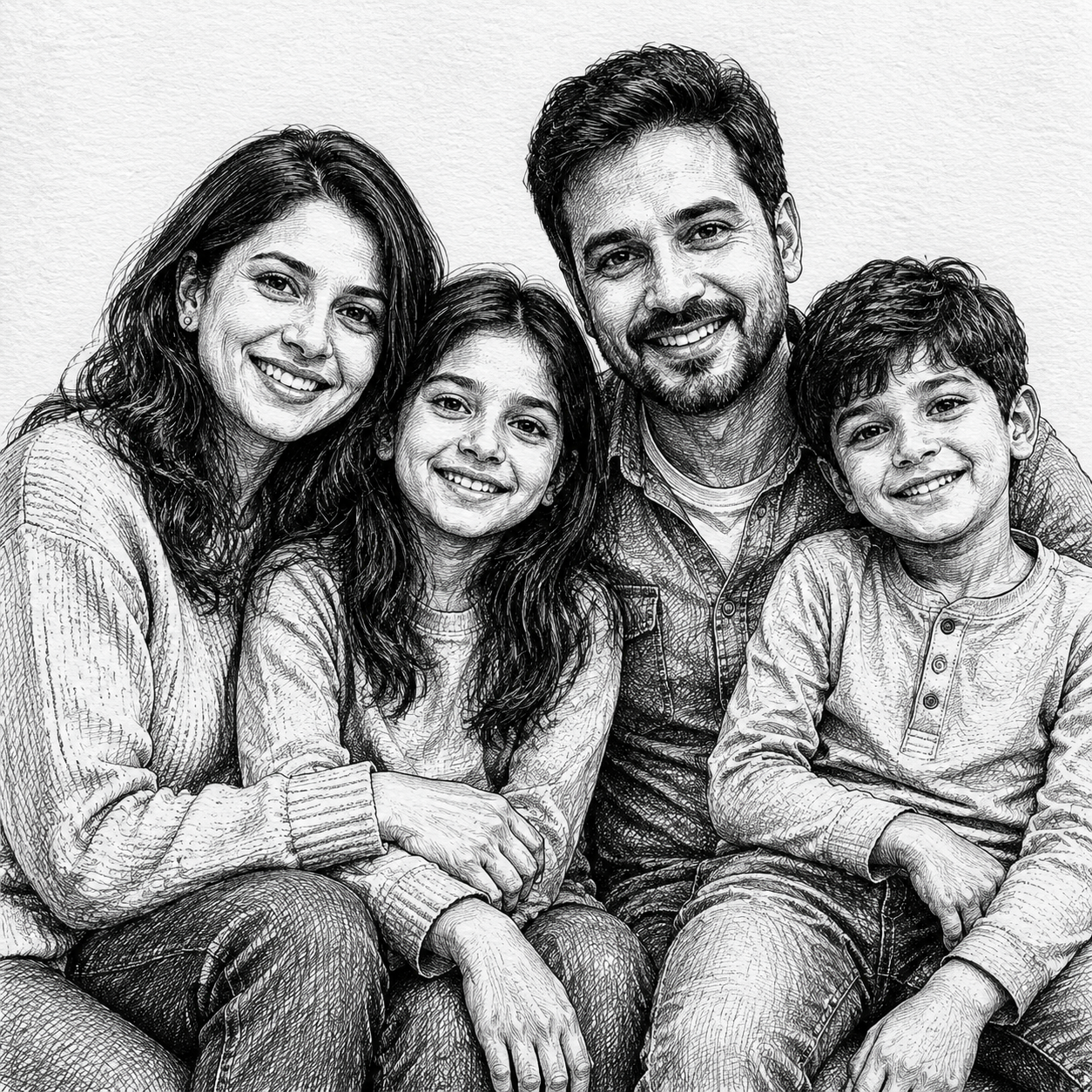
Example prompts
A lamp sketch as a material study
Use my uploaded lamp sketch as the primary structural reference. Render the same one-lamp concept in its existing three-quarter view: one low circular base, one narrow arm, and one shallow shade, with the connections visible. Make the base matte ivory ceramic, the arm brushed brass, and the shade softly translucent paper. Keep the openings and relative proportions close to the drawing. Quiet pale studio background, soft side light, restrained reflections. Add no extra hinges, cables, decoration, lettering, or props. Prioritize a form I can compare with the sketch.
A cafe sketch as a painted environment
Turn my uploaded cafe composition sketch into a warm editorial illustration. Keep the counter on the left, the large window behind it, and the single round table in the right foreground. Use oak for the counter, pale plaster walls, muted teal upholstery, and late-morning window light. Preserve the broad empty passage between the counter and table. Soft painted textures with lightly visible linework, not a technical drawing or photorealistic render. Do not add new doors, extra tables, signs, text, or people beyond those in the sketch.
Workflow examples
Illustrative ways to plan, generate, and review your work.
MemeGIF workflow examples
Begin with a product photograph and a focused image-editing brief. Compare the draft with the original for shape, labels, and proportions before placing it into a listing. Add approved logos and exact copy in your design application.
Choose a video model and describe one small action, such as a careful object turn. Review the available duration, resolution, and credits. Check the completed take for object continuity and sound before using it in a larger edit.
Give the image workspace a subject, viewpoint, and visual metaphor that supports your article. Preview the result inside the intended layout. Adjust the crop or composition when it competes with the headline or obscures an important detail.
Sign in and use Compress Image when a picture has the right dimensions but a large file size. Compression runs in the browser; input and output images are saved to your account. Compare the result before downloading individual files or a ZIP.
Paste a draft into Humanize AI and select Natural, Friendly, or Professional tone. Review the rewrite for meaning, names, figures, and technical terms. Copy or download the version you have checked; detector scores and publication outcomes are not guaranteed.
Record the palette, viewpoint, lighting, and subject scale in a reusable brief. Supply relevant references where the selected image model supports them. Compare the images together, then revise specific differences instead of assuming automatic campaign-wide consistency.
MemeGIF Pricing and Credit Plans
Cancel anytime
Trending face-swap templates cost 300 Credits per video, including full-length Bad Times and every available format. Other tools keep their own quotes. Existing MV tickets remain usable until their original expiry; new tickets are no longer sold.
Pay once annually; receive 1/12 of your annual Credits each month. The first allocation arrives after payment, then monthly. Tax included. Each allocation expires at the next subscription month or paid-year end.
Lite
50% off0.025 / credit
$14.9/month equivalent · Billed $179· Save $179.8
Annual total: 7,200 credits, issued monthly
Video Models


Image Models


- Includes MiniMax H3 and all premium models
- Up to 1 batch generation task
- Standard generation speed
- Standard generation success rate
- Standard customer support
- Commercial Use License
Standard
50% off0.017 / credit
$24.9/month equivalent · Billed $299· Save $299.8
Annual total: 18,000 credits, issued monthly
Video Models
Image Models
- Includes MiniMax H3 and all premium models
- Up to 4 batch generation tasks
- Priority processing speed
- High generation success rate
- Priority customer support
- Commercial Use License
Pro
50% off0.014 / credit
$49.9/month equivalent · Billed $599· Save $599.8
Annual total: 43,200 credits, issued monthly
Video Models
Image Models
- Includes MiniMax H3 and all premium models
- Up to 10 batch generation tasks
- Fastest generation speed
- High generation success rate
- Dedicated account manager
- Commercial Use License
Max
50% off0.012 / credit
$99.9/month equivalent · Billed $1,199· Save $1,199.8
Annual total: 96,000 credits, issued monthly
Video Models
Image Models
- Includes MiniMax H3 and all premium models
- Up to 10 batch generation tasks
- Fastest generation speed
- High generation success rate
- Dedicated account manager
- Commercial Use License
Pay safely and securely with























FAQ
Frequently asked questions
How detailed must an AI sketch to image reference be?
Give AI sketch to image in MemeGIF readable main shapes and enough information to explain the intended composition. A rough drawing can be useful when the prompt clarifies uncertain marks and object relationships. A detailed sketch still needs review when several alternatives or annotations overlap.
Will the original lines stay exactly in place?
AI sketch to image in MemeGIF may change proportions, connections or camera interpretation while rendering. Compare major structures with the source and name corrections explicitly. A written preservation request does not fix every line in place. Keep exact dimensions and placement in your separate technical design workflow.
Can I supply material references with the sketch?
GPT Image 2 image mode in MemeGIF accepts one to sixteen references. Tell AI sketch to image which file defines structure and which supplies color, material or mood. Keep the roles distinct and check whether a secondary reference introduced unwanted objects or influenced the main silhouette.
Does it only create realistic photographs?
Describe a painted, illustrated or photographic treatment for AI sketch to image in MemeGIF according to the presentation goal. State whether original linework should stay visible and which textures should appear. Check the returned interpretation before treating that finish as the chosen direction for the project.
What can I download and use next?
AI sketch to image in MemeGIF requests JPEG raster concepts through GPT Image 2. It does not export CAD, editable material models or dimensioned construction plans. Save the rendering with the original drawing and accepted decisions, then carry those decisions into your normal design or presentation tools.
CTA
Give AI sketch to image a clear drawing and direction
Upload a clear sketch, identify its important relationships, and choose one material or illustration treatment. Use AI sketch to image in MemeGIF to explore the next version, then compare its structure with the original before carrying the concept forward.
Develop your sketch