 MemeGIF
AI pixel art generator in MemeGIF for expressive scenes with simple shapes
Build a scene through silhouette, color, and purposeful detail. The AI pixel art generator in MemeGIF explores pixel-style artwork with GPT Image 2 text mode at 1:1/1K. Give the scene a restrained palette and recognizable subject, then review the raster concept against the intended visual language. Exact grids, indexed colors and game assets need their own production refinement.
Image workspace
Sample Image
 26 / 30
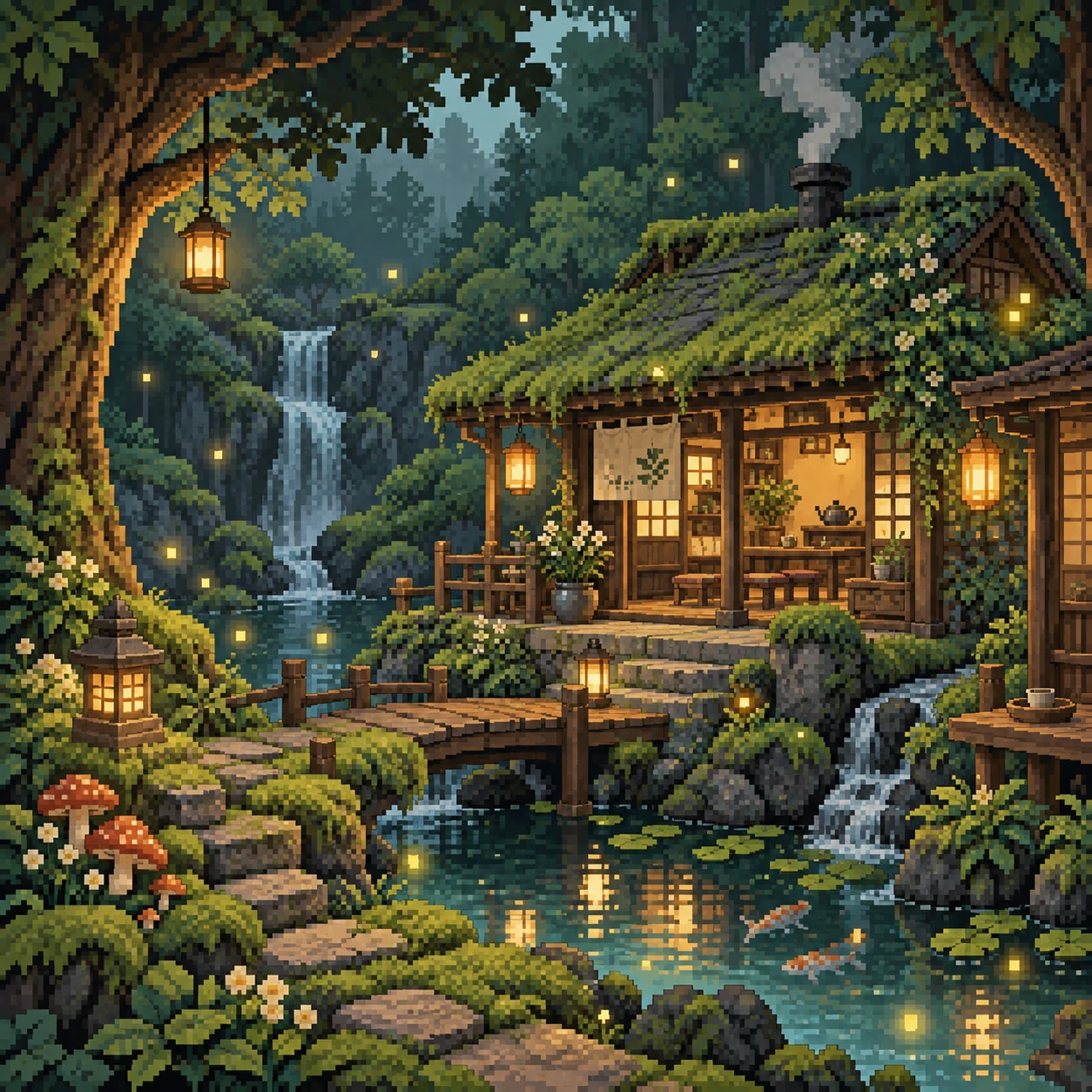
AI-generated pixel-art-style illustration of a woodland tea house.
Introduction
Give the AI pixel art generator one readable subject
Give the AI pixel art generator in MemeGIF a clear subject whose shape carries the scene.
Choose a subject with a distinct outline
A tiny observatory with a large telescope dome offers a clearer shape than an ordinary building covered in details. Brief the AI pixel art generator in MemeGIF around that silhouette.
- Describe the main shape in MemeGIF before accessories or surface textures.
- Keep the AI pixel art generator focal subject in MemeGIF separate from clutter.
Give the character one defining feature
A courier might carry an oversized canvas satchel and wear a short bright scarf. Give the AI pixel art generator in MemeGIF one or two recognizable details. Too many buckles, pockets, and badges can become indistinct noise rather than a more memorable character design.
Pick a moment that needs few gestures
A character waiting beside a lantern or tending one plant can be understood with a simple pose. Ask the AI pixel art generator in MemeGIF for a readable action. Complicated overlapping hands and props may be difficult to interpret even before you inspect the pixel treatment.
How to use
How to use the AI pixel art generator in MemeGIF
- PromptSTEP 1
Choose the scene
Open GPT Image 2 text mode in the AI pixel art generator and describe a readable subject, viewpoint, and simple setting.
- ModelGPT Image 21K1:1PromptSTEP 2
Limit visual complexity
Give the AI pixel art generator a restrained palette, blocky contours, and consistent lighting, using grouped shapes instead of scattered tiny details.
- Detail
 STEP 3
Create the artwork
Choose square 1K in the AI pixel art generator, check the displayed credits, and generate your original retro-style scene concept.
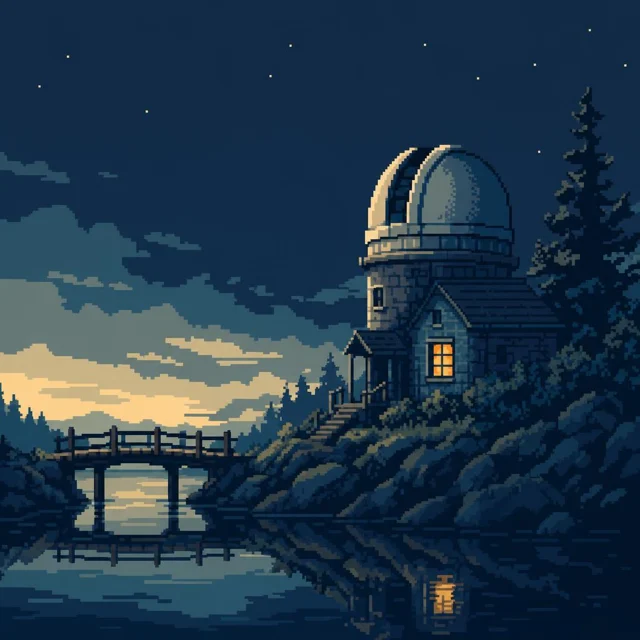
- Create one square pixel-style environment concept of a small riverside observatory at dusk. Use a clear side view, one large telescope dome, a short wooden bridge, still water, and a single amber window as the focal accent. Limited visual palette of deep navy, muted teal, cream highlights, and amber. Chunky grouped shapes, restrained stepped shading, clean silhouettes, and broad quiet areas of sky and water. No photographic gradients, text, logos, collage, asset grid, or sprite-sheet layout. Prioritize coherent scene design rather than exact production pixel dimensions.DownloadSTEP 4
Review the pixel language
Inspect AI pixel art generator contours and visual scale, then refine strict grids or game assets separately rather than assuming production readiness.
Features
Control AI pixel art generator color relationships
Choose an AI pixel art generator palette in MemeGIF with purposeful contrast and few competing accents.
Define the dominant and accent colors
Try deep blue shadows, muted teal surfaces, pale cream highlights, and one amber light. Tell the AI pixel art generator in MemeGIF which role each color plays. This is more useful than asking for a retro palette without explaining where the eye should go.
- Keep the brightest MemeGIF accent near the subject or important action.
- Compare AI pixel art generator results from MemeGIF for clear light and dark groups.
Separate neighboring materials
A wooden bridge and the water beneath it need distinct tonal shapes, even when both belong to a cool palette. Ask the AI pixel art generator in MemeGIF to separate their edges. Extra texture will not fix a bridge that blends into the river at small size.
Treat a palette count as a direction
You can describe a limited color count, but inspect the returned file rather than assuming exact enforcement. The AI pixel art generator in MemeGIF creates a rendered image, not a verified indexed palette. Use your own pixel editor when a project needs precise color entries.
Give the AI pixel art generator a consistent visual scale
Describe the AI pixel art generator detail level consistently in MemeGIF across characters and scenery.
Choose chunky or finer visual detail
A chunky style suits bold characters and simple objects, while a finer treatment allows richer environments. Tell the AI pixel art generator in MemeGIF which direction to follow. Avoid asking for tiny facial features inside an otherwise broad, blocky scene unless that contrast is intentional.
- Keep the MemeGIF brief’s detail density similar across objects at the same distance.
- Inspect AI pixel art generator edges from MemeGIF for inconsistent smoothing.
Use grouped shapes rather than scattered noise
Leaf clusters, stone groups, and broad shadow patches can suggest texture without isolated speckles everywhere. Give the AI pixel art generator in MemeGIF that instruction. The goal is a readable visual rhythm, not filling every quiet surface with decorative dots that distract from the subject.
Keep lighting compatible with the style
A simple highlight and one shadow region can describe volume without photographic gradients. Ask the AI pixel art generator in MemeGIF for restrained stepped shading. Review whether glowing effects or reflections overwhelm the intended blocky treatment and make the scene feel like unrelated styles combined.
Build AI pixel art generator scenes with clear depth
Arrange AI pixel art generator environments in MemeGIF as readable layers with one coherent viewpoint.
Choose a viewpoint and keep it coherent
Specify a side view, elevated room view, or another clear camera direction. Tell the AI pixel art generator in MemeGIF how surfaces should align. Inspect roofs, tables, paths, and doors for conflicting perspectives before being distracted by appealing colors or detailed foliage.
- Describe one viewpoint throughout the first MemeGIF environment concept.
- Keep AI pixel art generator paths and major openings in MemeGIF easy to trace.
Let the foreground frame the action
A nearby branch or low wall can establish depth while leaving the main subject unobstructed. Give the AI pixel art generator in MemeGIF a quieter distance and a readable middle ground. Do not let foreground decoration cover the character or object the scene is meant to introduce.
Use empty space as part of the design
An open sky or still water area can balance a detailed building and provide room in a later layout. Ask the AI pixel art generator in MemeGIF for that breathing space. A complete environment does not need equal detail in every corner of the square.
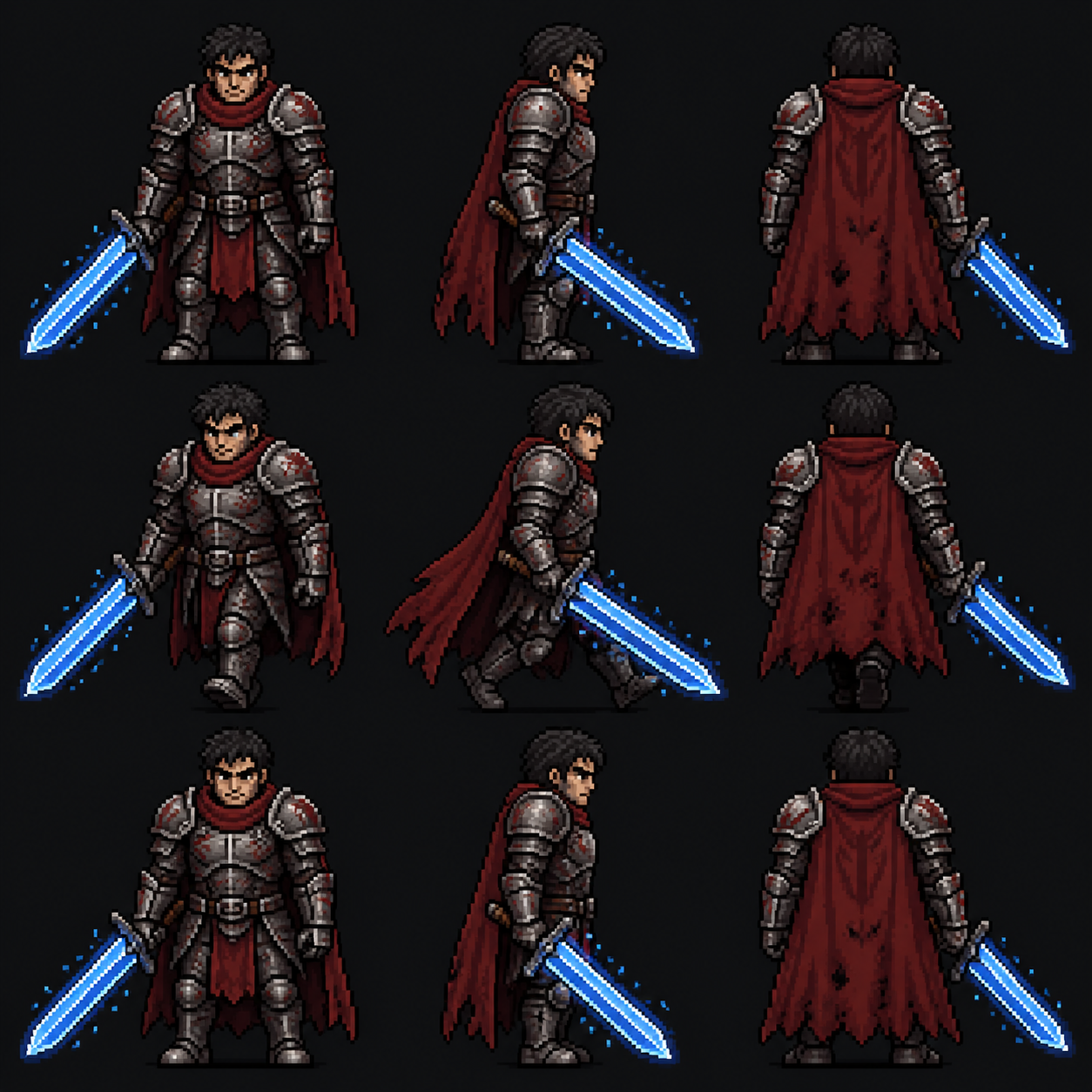
Explore AI pixel art generator directions in the workspace
Establish AI pixel art generator shape and palette in MemeGIF before refining smaller details.
Begin with a focused text request
Choose GPT Image 2 text mode at 1:1/1K, with one output. Describe subject, viewpoint, palette and detail level in three to 20,000 characters without needing an image. Review the AI pixel art generator settings in MemeGIF, sign in with sufficient credits, and check the quote before cloud processing. Inputs and results are saved to your account.
- Ask MemeGIF for one scene rather than a mixed asset sheet.
- Keep the AI pixel art generator prompt in MemeGIF centered on the visual language.
Develop a reference thoughtfully
Image mode requires one to sixteen references for an authorized sketch, character, or scene. Explain which defines silhouette and which palette. The AI pixel art generator in MemeGIF may reinterpret details, so compare the result with the original. Written directions do not lock pixels or establish exact style conversion.
Compare changes under the same framing
GPT Image 2 supports multiple ratios, 1K, 2K, 4K, and one to four outputs, with JPEG/high quality requested. Keep the AI pixel art generator framing stable in MemeGIF while comparing a warmer palette or simpler silhouette. A larger output does not establish a stricter pixel grid. Recheck available controls when choosing another model.
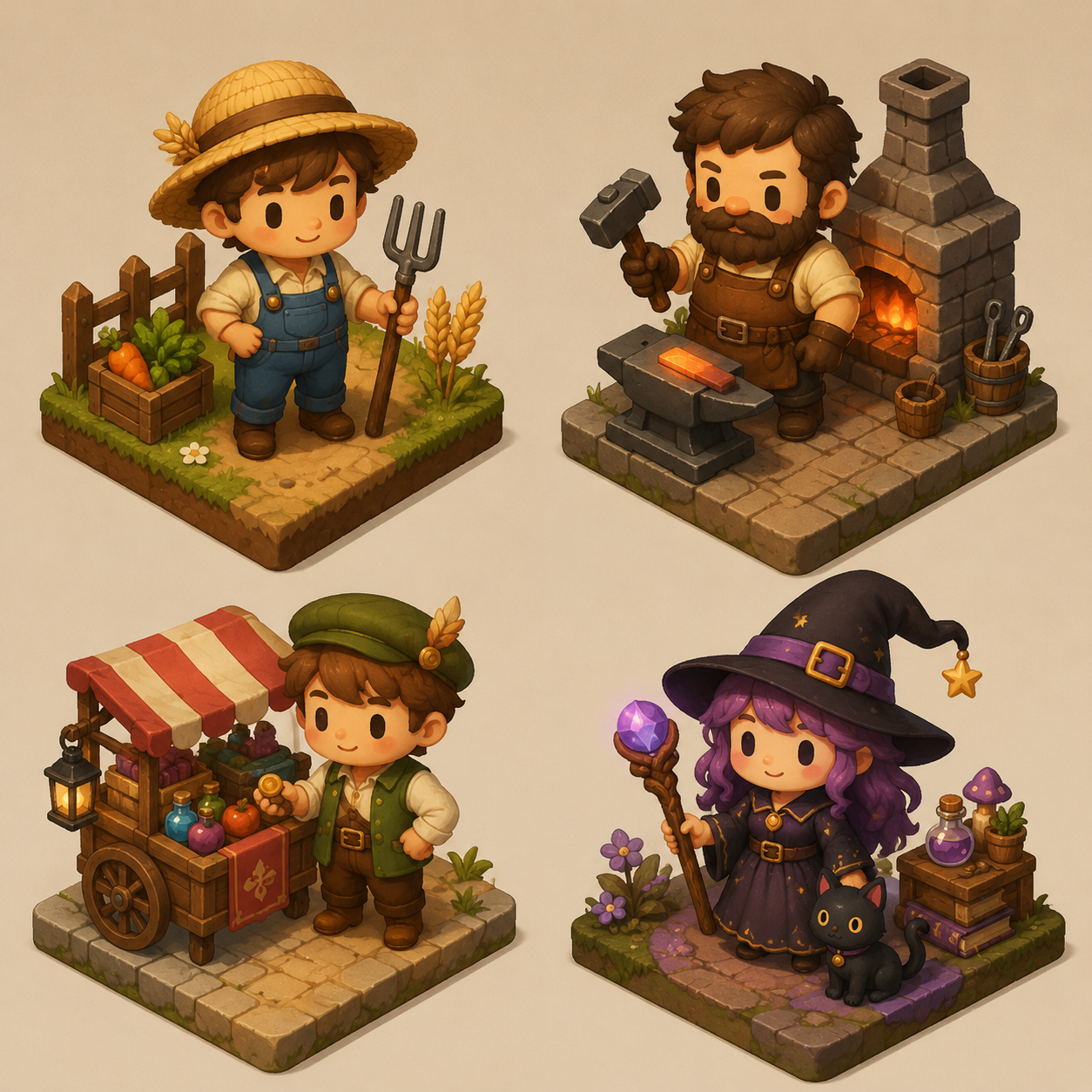
Review AI pixel art generator artwork before production use
Review AI pixel art generator concepts from MemeGIF according to the production requirements of their intended use.
Check contours and repeated details
Look for doubled outlines, blurred edge segments, and details that change scale unexpectedly. Inspect AI pixel art generator in MemeGIF characters for unclear hands or merged accessories. Decide whether a candidate needs a new prompt or careful cleanup in a pixel-focused editing workflow.
- Review the original MemeGIF image as well as a reduced preview.
- Keep the AI pixel art generator JPEG from MemeGIF before external refinements.
Prepare strict grids in the appropriate editor
The workspace outputs JPEG concepts, not guaranteed grid-perfect sprites, indexed images, or aligned animation frames. Take the chosen AI pixel art generator design from MemeGIF into a suitable editor when exact pixel dimensions matter. Check edge cleanup and palette reduction there rather than assuming they are complete.
Test tiles and sheets separately
A scene that looks repetitive is not necessarily a seamless texture, and several characters are not an aligned sprite sheet. Use AI pixel art generator in MemeGIF artwork as a design reference. Build and test tile boundaries, frame placement, and animation behavior in your production workflow.
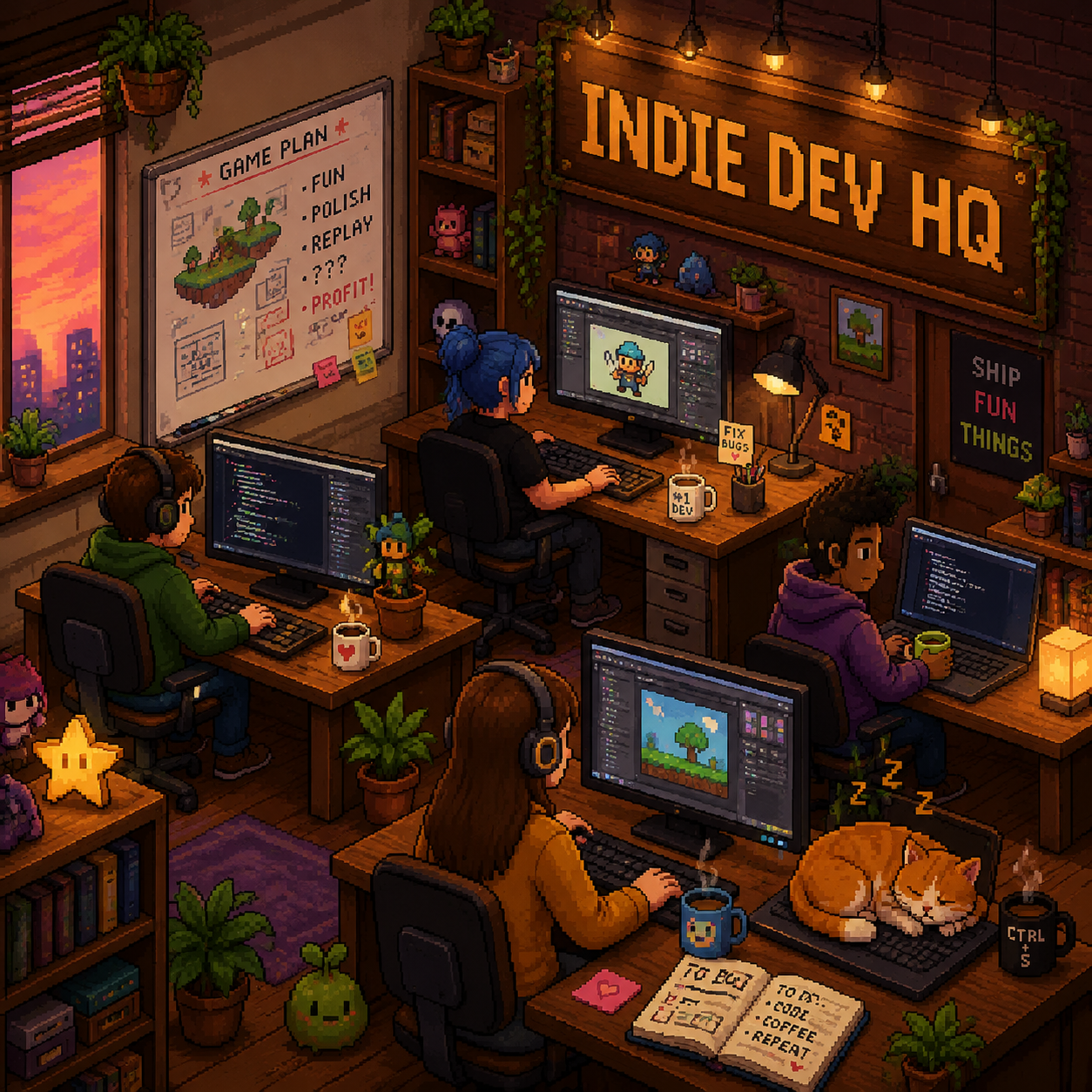
Example prompts
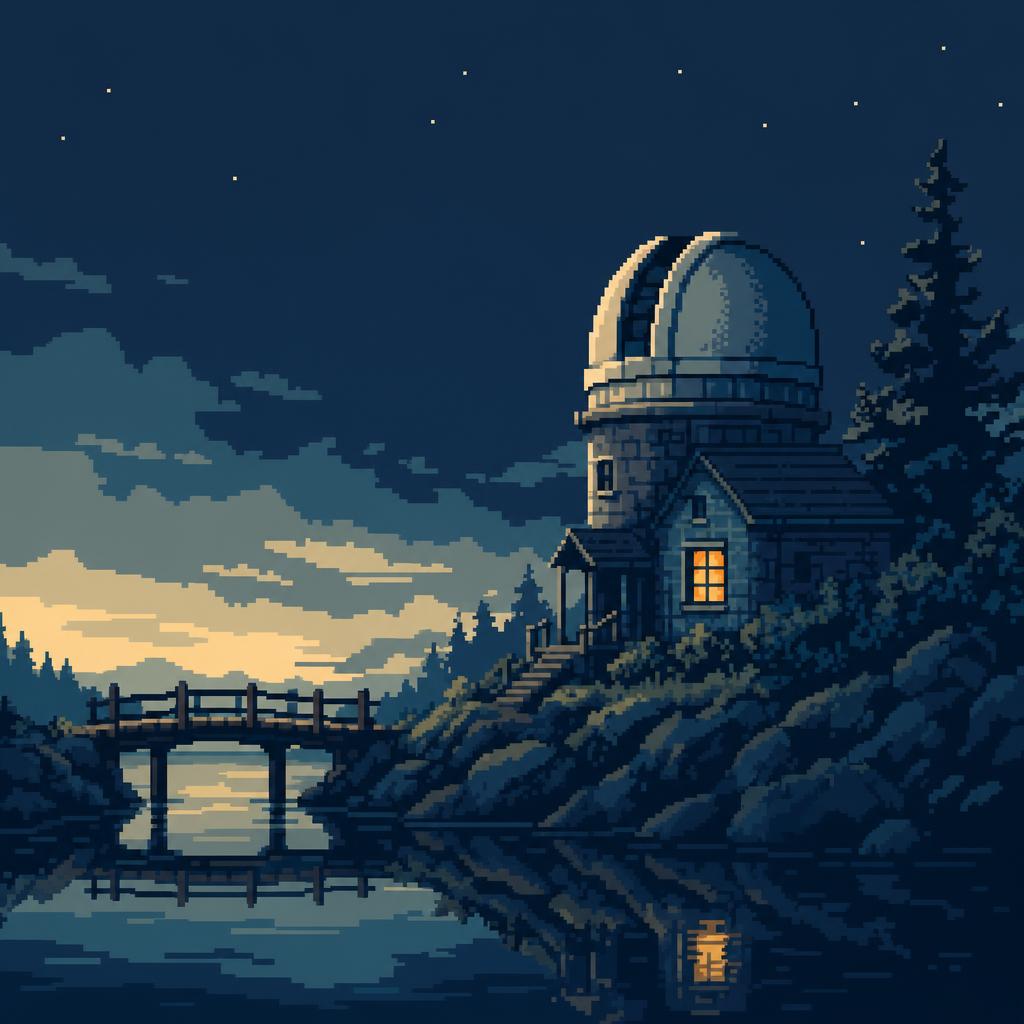
A quiet riverside observatory
Create one square pixel-style environment concept of a small riverside observatory at dusk. Use a clear side view, one large telescope dome, a short wooden bridge, still water, and a single amber window as the focal accent. Limited visual palette of deep navy, muted teal, cream highlights, and amber. Chunky grouped shapes, restrained stepped shading, clean silhouettes, and broad quiet areas of sky and water. No photographic gradients, text, logos, collage, asset grid, or sprite-sheet layout. Prioritize coherent scene design rather than exact production pixel dimensions.
A readable courier character
Create a square pixel-style character concept of an original adult courier standing beside one small lantern. Simple side-facing pose, short coat, one oversized canvas satchel, and a bright amber scarf. Bold readable silhouette, clearly separated legs and arms, broad negative spaces, restrained stepped shadows. Use deep blue, desaturated green, warm cream, and amber as the main visual colors. Plain quiet background, no lettering, extra poses, inventory icons, animation frames, or separate panels. Keep detail density consistent and avoid tiny scattered texture.
Workflow examples
Illustrative ways to plan, generate, and review your work.
MemeGIF workflow examples
Begin with a product photograph and a focused image-editing brief. Compare the draft with the original for shape, labels, and proportions before placing it into a listing. Add approved logos and exact copy in your design application.
Choose a video model and describe one small action, such as a careful object turn. Review the available duration, resolution, and credits. Check the completed take for object continuity and sound before using it in a larger edit.
Give the image workspace a subject, viewpoint, and visual metaphor that supports your article. Preview the result inside the intended layout. Adjust the crop or composition when it competes with the headline or obscures an important detail.
Sign in and use Compress Image when a picture has the right dimensions but a large file size. Compression runs in the browser; input and output images are saved to your account. Compare the result before downloading individual files or a ZIP.
Paste a draft into Humanize AI and select Natural, Friendly, or Professional tone. Review the rewrite for meaning, names, figures, and technical terms. Copy or download the version you have checked; detector scores and publication outcomes are not guaranteed.
Record the palette, viewpoint, lighting, and subject scale in a reusable brief. Supply relevant references where the selected image model supports them. Compare the images together, then revise specific differences instead of assuming automatic campaign-wide consistency.
MemeGIF Pricing and Credit Plans
Cancel anytime
Trending face-swap templates cost 300 Credits per video, including full-length Bad Times and every available format. Other tools keep their own quotes. Existing MV tickets remain usable until their original expiry; new tickets are no longer sold.
Pay once annually; receive 1/12 of your annual Credits each month. The first allocation arrives after payment, then monthly. Tax included. Each allocation expires at the next subscription month or paid-year end.
Lite
50% off0.025 / credit
$14.9/month equivalent · Billed $179· Save $179.8
Annual total: 7,200 credits, issued monthly
Video Models


Image Models


- Includes MiniMax H3 and all premium models
- Up to 1 batch generation task
- Standard generation speed
- Standard generation success rate
- Standard customer support
- Commercial Use License
Standard
50% off0.017 / credit
$24.9/month equivalent · Billed $299· Save $299.8
Annual total: 18,000 credits, issued monthly
Video Models
Image Models
- Includes MiniMax H3 and all premium models
- Up to 4 batch generation tasks
- Priority processing speed
- High generation success rate
- Priority customer support
- Commercial Use License
Pro
50% off0.014 / credit
$49.9/month equivalent · Billed $599· Save $599.8
Annual total: 43,200 credits, issued monthly
Video Models
Image Models
- Includes MiniMax H3 and all premium models
- Up to 10 batch generation tasks
- Fastest generation speed
- High generation success rate
- Dedicated account manager
- Commercial Use License
Max
50% off0.012 / credit
$99.9/month equivalent · Billed $1,199· Save $1,199.8
Annual total: 96,000 credits, issued monthly
Video Models
Image Models
- Includes MiniMax H3 and all premium models
- Up to 10 batch generation tasks
- Fastest generation speed
- High generation success rate
- Dedicated account manager
- Commercial Use License
Pay safely and securely with























FAQ
Frequently asked questions
Does the AI pixel art generator create strict pixel grids?
The AI pixel art generator in MemeGIF produces pixel-style raster concepts through GPT Image 2. It does not guarantee a technical pixel grid. Review edges and color groups, then use your pixel editor for precise dimensions, indexed colors and other production requirements. A higher-resolution render does not replace those checks.
Can I make a ready-to-use sprite sheet?
Do not assume MemeGIF provides exact frame alignment or consistent animation poses. Develop the character concept first, then prepare production frames separately. A visually convincing sheet still needs grid, spacing, transparency and motion checks in your game workflow before you adopt it as an asset.
How can I keep the palette restrained?
Give MemeGIF a few main colors and assign them to shadows, surfaces, highlights and accents. Request broad color groups rather than photographic gradients. Inspect the download; a requested palette count is a direction, not verified indexing. Reduce or remap colors in your editor when a strict palette is needed.
Can I start from my own character drawing?
Switch to GPT Image 2 image mode in MemeGIF and upload an authorized reference. Describe important silhouette features and the desired pixel-style treatment. Review changed proportions, missing accessories and inconsistent detail before adopting the result. Assign each supporting source a specific role rather than mixing unrelated character versions.
What file and resolution choices are available?
GPT Image 2 in MemeGIF requests JPEG images with supported ratios, 1K, 2K, 4K, and one to four outputs. Begin at 1:1/1K, then select settings for the comparison and review displayed credits. The raster request does not create transparent sprite frames or an indexed production palette.
CTA
Give the AI pixel art generator a strong shape and palette
Choose one subject, viewpoint, and restrained palette. Compare AI pixel art generator concepts from MemeGIF for clarity, then prepare strict grid, color, or game-asset requirements in your production tools.
Explore a pixel-style concept